
In today's competitive market, the packaging of a product is just as important as the product itself. This is especially true in the beverage industry, where the right beverage bottle can capture a consumer's attention, convey brand values, and even enhance the drinking experience. Gone are the days when a bottle was merely a container; it is now a statement of quality, sustainability, and style. As consumers become more conscious of their choices, brands are innovating with designs and materials that are both visually appealing and environmentally responsible, transforming the humble bottle into a key marketing tool.
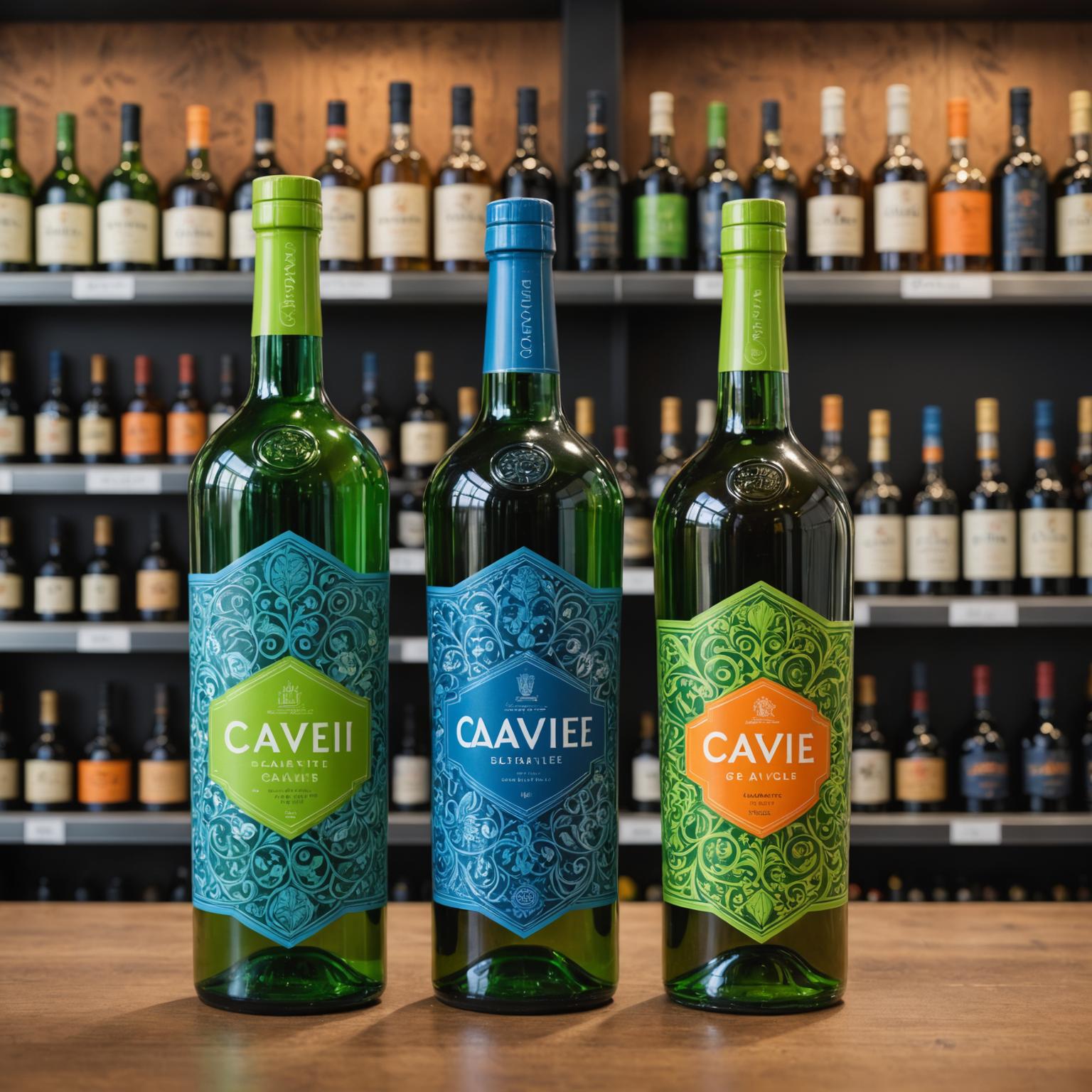
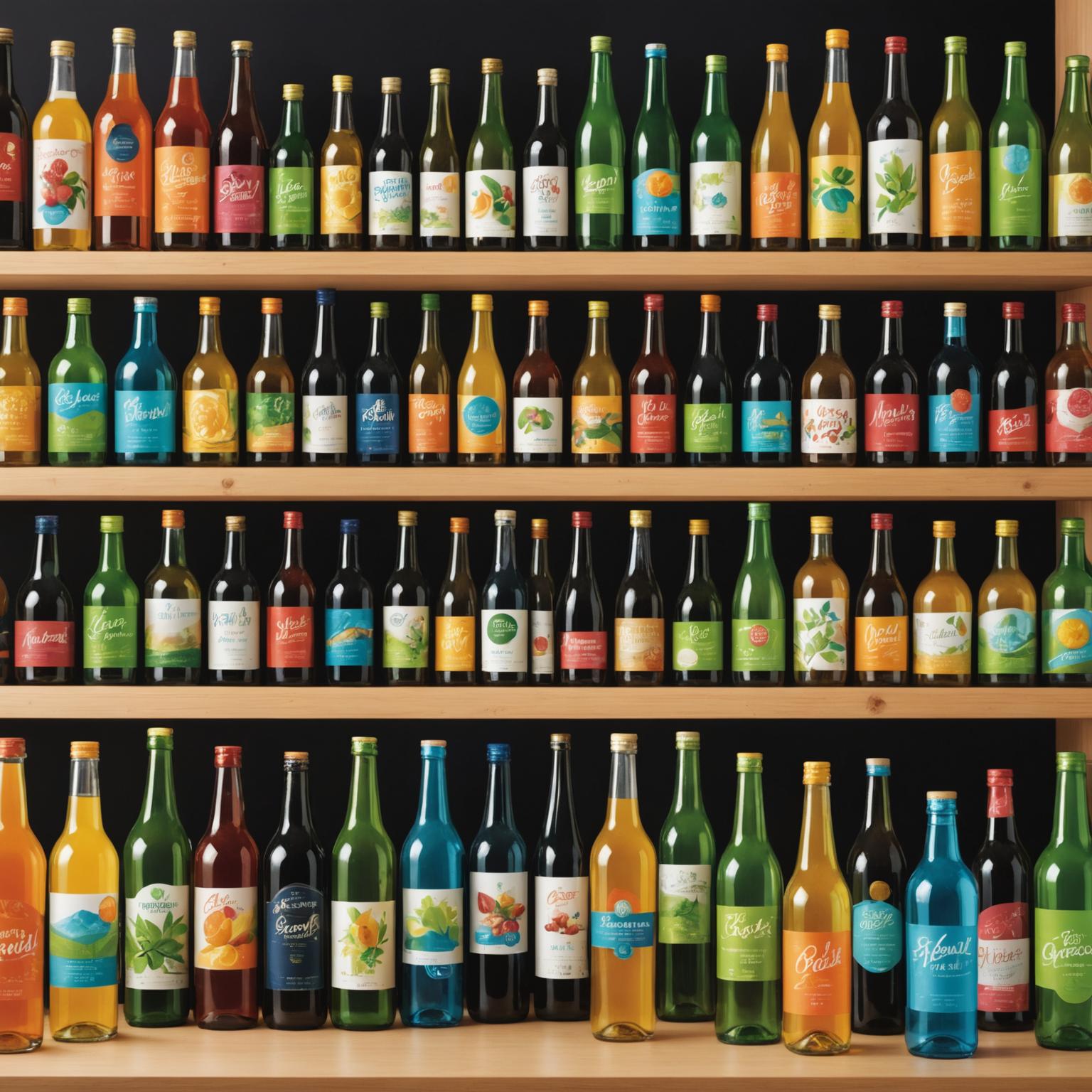
Among the various packaging options, the glass beverage bottle holds a timeless appeal. Glass is inert, meaning it does not react with the contents, ensuring that the flavor of the beverage remains pure and untainted. This is crucial for premium products like the organic LemonAid line, where preserving the crisp, fresh taste of fair-trade ingredients is paramount. The use of glass also imparts a sense of luxury and quality that is difficult to replicate with other materials. Furthermore, glass is 100% recyclable without any loss in quality, making it a superior choice for environmentally conscious brands and consumers. The vibrant green, yellow, and red bottles of LemonAid are a perfect example of how a glass beverage bottle not only protects the integrity of the drink but also serves as a beautiful, reusable vessel that aligns with a message of sustainability.
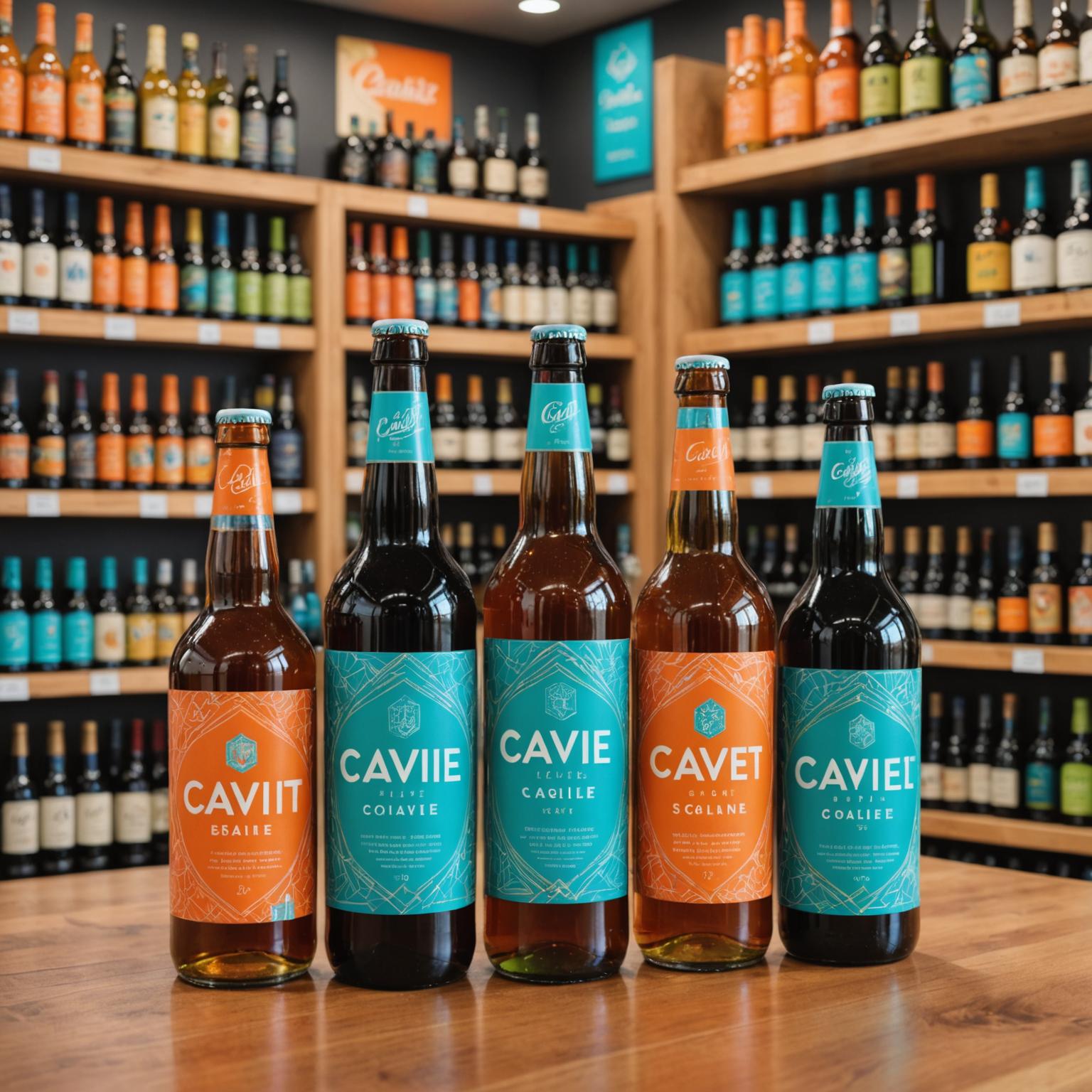
The push for sustainability has put a spotlight on the environmental impact of packaging, leading to a surge in demand for eco-friendly beverage bottles. While plastic beverage bottles have long dominated the market due to their low cost and lightweight nature, concerns over single-use plastic waste have prompted a significant shift. Consumers are actively seeking alternatives that reduce their carbon footprint. This is where brands can truly differentiate themselves. By opting for recyclable materials, companies demonstrate a commitment to the planet. The trend also extends to creating custom beverage bottles that are unique to a brand. LemonAid’s distinctive bottle shapes and colors are not just for aesthetics; they create immediate brand recognition on the shelf. Crafting these unique designs requires significant expertise in manufacturing, from mold creation to advanced printing techniques, allowing a brand to tell its story through its packaging.
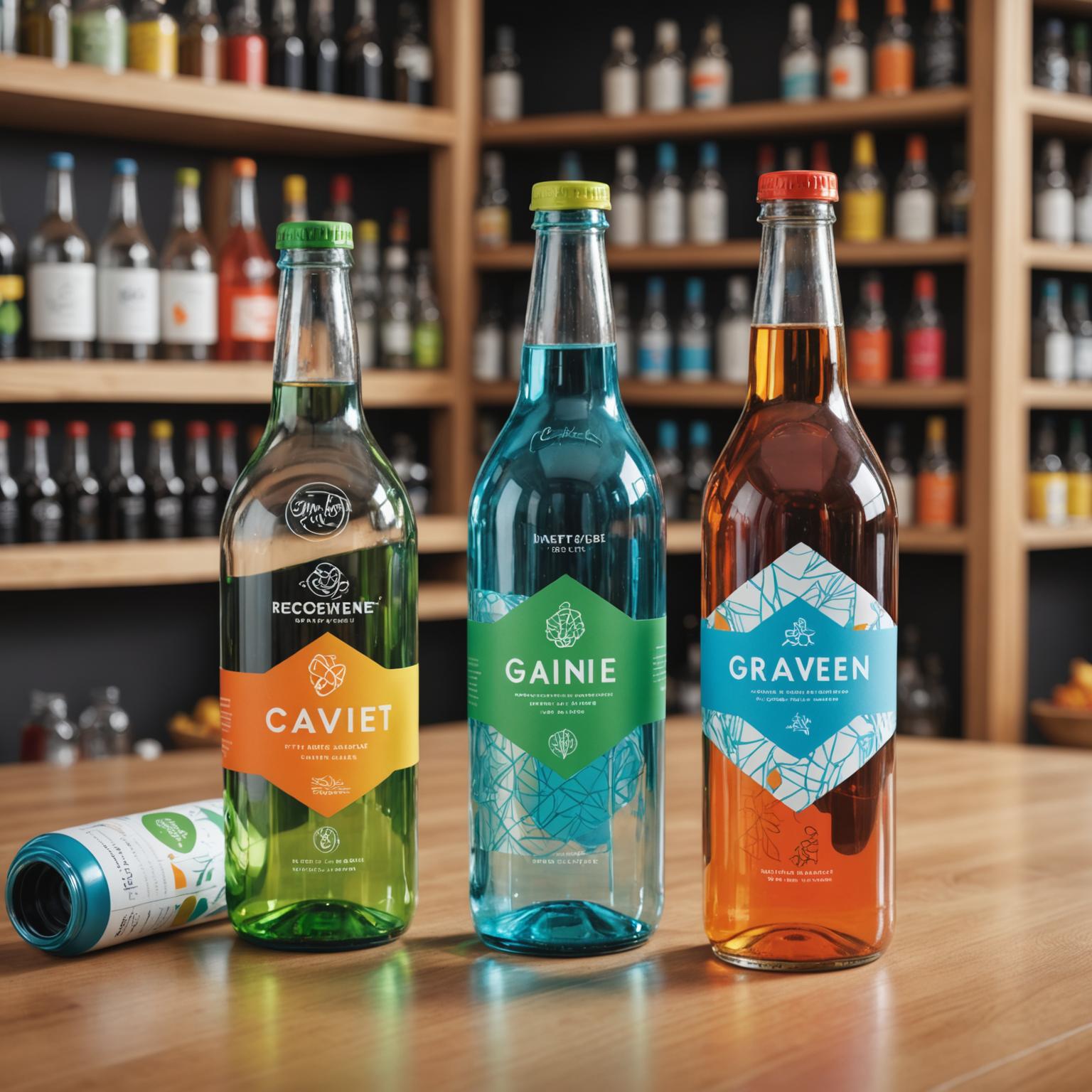
The evolution of beverage packaging is mirrored in the transformation of the personal water bottle. What was once a purely functional item for hydration has become a personal accessory and a statement of lifestyle. People now choose their water bottle based on design, material, and brand ethos, much like they would a piece of clothing or a tech gadget. This consumer behavior has influenced the broader beverage market. Brands now understand that the container is an extension of the consumer's identity. A thoughtfully designed beverage bottle can elevate a simple drink into a premium experience. Whether it's a sleek glass container or an innovative, reusable design, the bottle itself adds value and reinforces the brand's message of health, style, or environmental responsibility.
Ultimately, the future of the industry lies in packaging that is intelligent, responsible, and desirable. The choice of a beverage bottle is no longer a simple logistical decision but a strategic one that impacts brand perception, consumer loyalty, and environmental footprint. As we have seen with inspiring products like LemonAid, a glass beverage bottle can be a powerful medium for communicating quality and a commitment to ethical sourcing. The demand for eco-friendly beverage bottles will continue to drive innovation, while custom beverage bottles will remain a key tool for brands to stand out in a crowded marketplace. The bottle is the first point of contact with the consumer, and making that first impression count is more important than ever.
The Enduring Appeal of Glass Beverage Bottles
Among the various packaging options, the glass beverage bottle holds a timeless appeal. Glass is inert, meaning it does not react with the contents, ensuring that the flavor of the beverage remains pure and untainted. This is crucial for premium products like the organic LemonAid line, where preserving the crisp, fresh taste of fair-trade ingredients is paramount. The use of glass also imparts a sense of luxury and quality that is difficult to replicate with other materials. Furthermore, glass is 100% recyclable without any loss in quality, making it a superior choice for environmentally conscious brands and consumers. The vibrant green, yellow, and red bottles of LemonAid are a perfect example of how a glass beverage bottle not only protects the integrity of the drink but also serves as a beautiful, reusable vessel that aligns with a message of sustainability.
Eco-Friendly Choices and Customization
The push for sustainability has put a spotlight on the environmental impact of packaging, leading to a surge in demand for eco-friendly beverage bottles. While plastic beverage bottles have long dominated the market due to their low cost and lightweight nature, concerns over single-use plastic waste have prompted a significant shift. Consumers are actively seeking alternatives that reduce their carbon footprint. This is where brands can truly differentiate themselves. By opting for recyclable materials, companies demonstrate a commitment to the planet. The trend also extends to creating custom beverage bottles that are unique to a brand. LemonAid’s distinctive bottle shapes and colors are not just for aesthetics; they create immediate brand recognition on the shelf. Crafting these unique designs requires significant expertise in manufacturing, from mold creation to advanced printing techniques, allowing a brand to tell its story through its packaging.
From Simple Hydration to a Statement Piece
The evolution of beverage packaging is mirrored in the transformation of the personal water bottle. What was once a purely functional item for hydration has become a personal accessory and a statement of lifestyle. People now choose their water bottle based on design, material, and brand ethos, much like they would a piece of clothing or a tech gadget. This consumer behavior has influenced the broader beverage market. Brands now understand that the container is an extension of the consumer's identity. A thoughtfully designed beverage bottle can elevate a simple drink into a premium experience. Whether it's a sleek glass container or an innovative, reusable design, the bottle itself adds value and reinforces the brand's message of health, style, or environmental responsibility.
The Future of Beverage Packaging
Ultimately, the future of the industry lies in packaging that is intelligent, responsible, and desirable. The choice of a beverage bottle is no longer a simple logistical decision but a strategic one that impacts brand perception, consumer loyalty, and environmental footprint. As we have seen with inspiring products like LemonAid, a glass beverage bottle can be a powerful medium for communicating quality and a commitment to ethical sourcing. The demand for eco-friendly beverage bottles will continue to drive innovation, while custom beverage bottles will remain a key tool for brands to stand out in a crowded marketplace. The bottle is the first point of contact with the consumer, and making that first impression count is more important than ever.